
Redness & Vascular Treatment
Redness & Vascular Treatment
Cheongdam NB Clinic distinguishes facial flushing from rosacea and treats facial redness with device treatment combined with daily care.
Overview of redness and vascular treatment at Cheongdam NB Clinic
Facial redness has many causes. Cheongdam NB Clinic, located in Cheongdam-dong, Gangnam-gu, Seoul, groups them into seven categories: emotional factors, immune reactions, temperature changes, dietary changes, hormonal changes, medication side effects and persistent vasodilation.
Facial flushing is caused by a combination of factors, including genetics, the environment and immune reactions, and many factors can trigger or worsen it. Recurrent inflammatory skin conditions thin the skin and encourage small blood vessels to proliferate, leading to facial flushing.
Because facial flushing has complex causes, it is relatively difficult to treat, and if the right time for treatment is missed, it may develop into rosacea, a chronic inflammatory skin condition. The clinic therefore recommends an accurate diagnosis and treatment matched to the cause and condition before the vasodilation worsens.
The clinic divides redness mainly into two types, facial flushing and rosacea. The cause and degree of redness vary from person to person, and which device to use, and whether other treatments are needed alongside it, is determined after an in-person consultation with a physician.

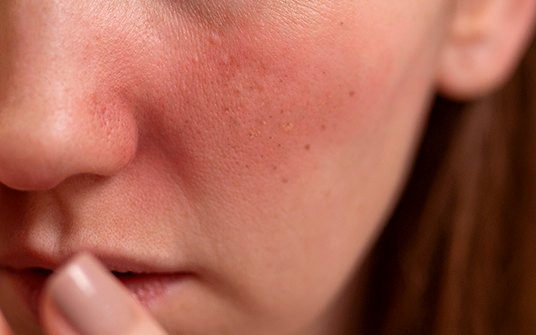
Cheongdam NB Clinic Redness & Vascular Treatment Key facts
- Treatment area
- Face
- Device
- Candela dual-wavelength laser, VIOL device repair mode, Classys multi-wavelength device
The seven causes of redness as grouped by Cheongdam NB Clinic
Why do facial flushing and rosacea occur? Cheongdam NB Clinic groups the common triggers as follows.
When emotional changes such as stress or embarrassment affect the autonomic nervous system, the face may turn red.
Abnormalities in the skin barrier or immune system trigger an inflammatory skin reaction, leading to vasodilation.
Very hot or very cold environments and sudden temperature changes such as saunas may trigger redness.
Irritating foods such as spicy or very hot dishes, as well as caffeine and alcohol, dilate the blood vessels.
Women in menopause may experience menopausal flushing due to changes in estrogen levels.
With continued use of steroid ointments, blood vessels dilate, causing redness.
As the number of dilated blood vessels gradually increases, redness also becomes more noticeable.
Facial flushing and rosacea as distinguished by Cheongdam NB Clinic
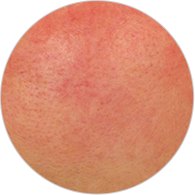
Facial flushing
Facial flushing is usually temporary and is a sudden reddening of the face caused by vasodilation. It can be triggered by many external stimuli and causes, and the symptoms and treatment may differ depending on the cause.
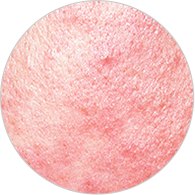
Rosacea
Rosacea is a chronic condition marked by persistent facial redness, inflammatory papules and pustules, swelling and vasodilation. It is more common in adults and mainly affects the center of the face (nose, cheeks, forehead and chin). Symptoms may flare and subside in cycles, and long-term management is needed.
Who redness and vascular treatment at Cheongdam NB Clinic is suitable for
Facial flushing has many causes and needs to be diagnosed and treated by a physician. Redness and vascular treatment at Cheongdam NB Clinic is recommended in the following cases:
A face that reddens easily in response to external stimuli
Redness caused by inflammatory skin conditions such as acne or dermatitis
Rosacea from dilated blood vessels on the nose, cheeks and similar areas
Thin skin with visible blood vessels across the face
Flushing due to hormonal changes such as menopause
Redness caused by topical medications such as steroids or by other medications


Redness treatment devices at Cheongdam NB Clinic
Candela dual-wavelength laser
Cheongdam NB Clinic uses this device for redness treatment, with reduced pain and side effects for a safe treatment.
The device uses two wavelengths, a 755nm alexandrite laser and a 1064nm Nd:YAG laser. Pigmented lesions absorb these wavelengths well, so it can be used for pigmentation concerns as well as vascular treatment. Its indications include vascular concerns such as facial blood vessels, spider veins and diffuse redness, as well as hair removal, pigmented lesions and wrinkle improvement.
The device has a built-in dynamic cooling device (DCD) gas cooling system that protects the skin surface, reduces heat and pain, and lowers the chance of hyperpigmentation after treatment, making the treatment safe and efficient.
VIOL device repair mode
The clinic uses the repair mode of the VIOL device for redness treatment and, according to the clinic, its results are excellent. The device uses radiofrequency to deliver heat to target areas inside the skin and can treat the superficial and deep skin at the same time.
Treatment at 300 microns targets the basement membrane and the papillary dermis and is used to improve skin elasticity, texture and fine lines. The repair mode removes abnormal blood vessels by strengthening the basement membrane, is used for redness treatment, and helps prevent redness from recurring.
The repair mode is used for melasma, redness and post-inflammatory hyperpigmentation, and the device's uses include melasma and pigmentation, redness and acne treatment.
Classys multi-wavelength device
This device improves pigmentation, elasticity and redness in a single treatment while brightening the skin tone, and is mainly used to treat facial flushing, dilated blood vessels and rosacea.
The device uses several wavelength bands, such as 420nm, 515-590nm and 640-800nm, and filters the wavelength according to the type and depth of the lesion for customized treatment.
The device operates at high speed, delivering light of even intensity in a short time, and safely protects the skin surface with its built-in cooling system.
Daily care recommended by Cheongdam NB Clinic
Besides treatment, facial flushing and rosacea also need careful management in daily life. Cheongdam NB Clinic recommends paying attention to the following:
- Block heat and UV, and use sunscreen consistently
- Avoid strong emotional swings and temperature changes
- Eat less spicy and very hot food, and avoid alcohol
- Use moisturizers to strengthen the skin barrier
- Choose gentle cleansing and do not use scrub products
- When using toners or lotions, avoid products that contain alcohol
- Do not use steroid ointments long term
Why choose Cheongdam NB Clinic for redness treatment
Flushing and rosacea distinguished
Facial flushing and rosacea differ in symptoms and treatment, so Cheongdam NB Clinic first distinguishes between the two and then decides on the treatment plan.
3 redness treatment devices
The clinic treats redness with a Candela dual-wavelength laser, the VIOL device repair mode and a Classys multi-wavelength device, and the specific device is determined after an in-person consultation.
Treatment alongside daily care
In addition to device treatment, the clinic also gives daily care advice on sun protection, moisturizing, diet and more.
Same location in Cheongdam-dong
Cheongdam NB Clinic has seen patients at the same location in Cheongdam-dong, Gangnam-gu since 2006, about a 5-minute walk from Cheongdam Station Exit 9, and visits are by appointment.
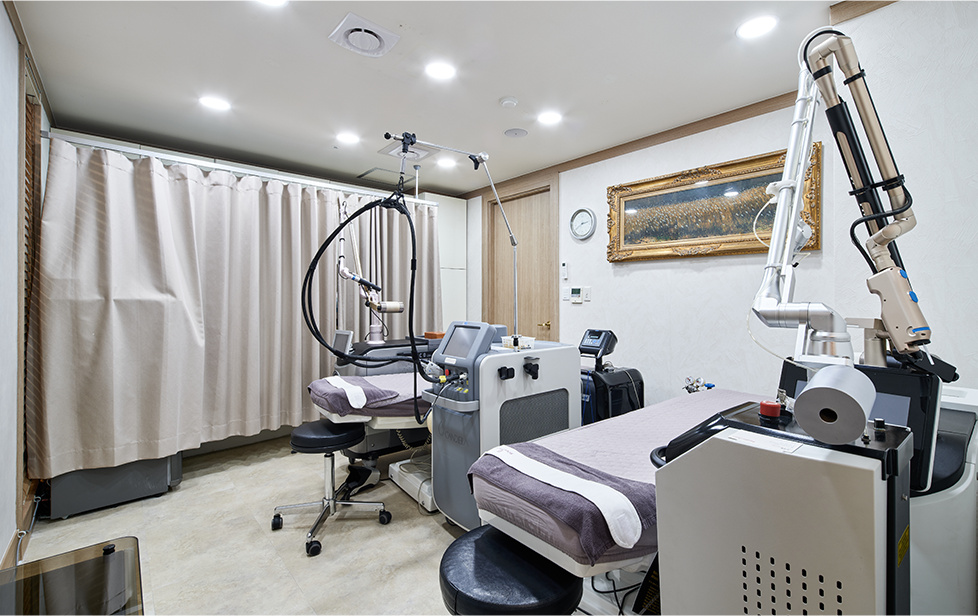
Clinic interior


Medical Team

Lee Hwang-heeMedical Director
VIEW MORERelated treatments
- Pigmentation TreatmentCheongdam NB Clinic selects laser devices of different wavelengths by pigment type, treating freckles, melasma, solar lentigines and other concerns separately.
- Acne TreatmentCheongdam NB Clinic selects treatment devices according to the stage and type of acne.
- Medical SkincareCheongdam NB Clinic uses professional skincare devices to enhance results, reduce irritation, and provide ongoing care for sensitive skin and skin recovering from treatment.
Redness & Vascular Treatment FAQ
A.Cheongdam NB Clinic groups the causes into seven categories: emotional factors, immune reactions, temperature changes, dietary changes, hormonal changes, medication side effects and persistent vasodilation. The actual cause is determined after an in-person consultation with a physician.
A.It presents as persistent facial redness, inflammatory papules and pustules, swelling and vasodilation.
A.Yes. Redness after long-term use of steroid ointments is one of the cases for which Cheongdam NB Clinic recommends treatment. The specific treatment plan is determined after an in-person consultation.
A.The clinic recommends consistent sun protection and moisturizing, avoiding temperature changes, spicy and very hot food and alcohol, and not using scrub products or products that contain alcohol.
A.The clinic uses a Candela dual-wavelength laser, the VIOL device repair mode and a Classys multi-wavelength device.
A.If facial redness persists, it may develop into rosacea, a chronic condition. Cheongdam NB Clinic therefore recommends starting appropriate treatment early when symptoms appear.
A.Conditions such as acne, contact dermatitis and seborrheic dermatitis can also make the face look as red as facial flushing or rosacea. These conditions are treated differently, so it is important to describe the course of your symptoms accurately to the physician during the consultation.
A.At Cheongdam NB Clinic, a consultation usually takes about 10 minutes, and there is no extra fee for choosing a specific physician. Visits are by appointment, payment is by card or cash, and Chinese patients pay the same prices as Korean patients.
Updated on